Start typing to search guides, topics, and resources...
Discover clear, evidence-based educational insights into how your heart operates, key physiological indicators, and lifestyle factors that support long-term heart wellness.
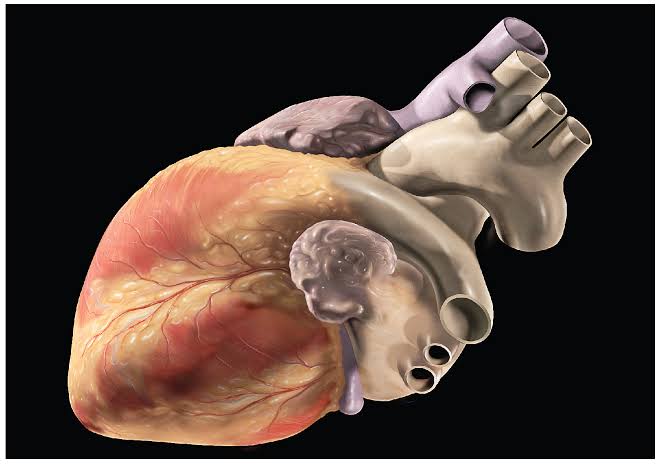
The human heart is composed of four distinct muscular chambers: the left and right atria and ventricles. Working rhythmically, it circulates blood through a 60,000-mile network of blood vessels, supplying tissues with essential oxygen and nutrients.
Explore key areas of heart education to help build lifestyle awareness.
Vascular Health
Understanding systolic and diastolic pressure readings helps you recognize how force against arterial walls influences general circulatory function.
Learn About Blood Pressure
Lipid Transport
Lipoproteins shuttle cholesterol throughout the bloodstream. Learn how dietary choices and fiber impact LDL and HDL carrier ratios.
Explore Lipid Education
Fitness & Cardiac Output
Aerobic physical activity enhances myocardial contraction efficiency, supports vascular elasticity, and lowers resting pulse rate.
View Fitness Guide
Autonomic Balance
Chronic stress triggers sympathetic nervous system activity and stress hormones. Discover relaxed breathing and recovery routines.
Read Stress Guide
Restorative Health
During deep non-REM sleep phases, blood pressure and heart rate naturally dip, giving cardiac tissues a crucial window for restoration.
Sleep Recovery Basics
Lifestyle Prevention
Combining non-smoking environments, proper hydration, balanced weight, and routine checkups forms a complete preventive heart strategy.
Checklist ResourcesGeneral educational answers to fundamental heart wellness questions.
Cardiovascular health refers to the overall efficiency and condition of your heart and blood vessel network. It encompasses blood circulation, arterial elasticity, blood pressure balance, and cardiac muscular strength.
Physical activity acts as exercise for the heart muscle itself. Regular moderate movement helps blood vessels expand more easily, improves oxygen delivery, and aids in maintaining healthy blood pressure levels.
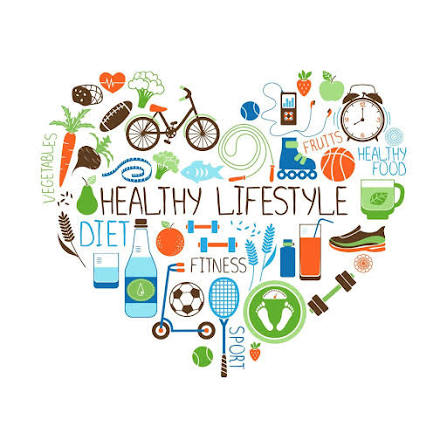
A heart-friendly lifestyle combines wholesome dietary choices, routine body movement, adequate restorative sleep, stress management practices, and avoidance of tobacco or excessive alcohol exposure.
During deep sleep, your heart rate slows down and blood pressure drops. This nightly break reduces strain on the vascular system and allows cellular repair mechanisms to operate efficiently.
Any persistent chest discomfort, shortness of breath, unexplained dizziness, or irregular pulse should be evaluated promptly by a qualified medical professional or emergency service provider.