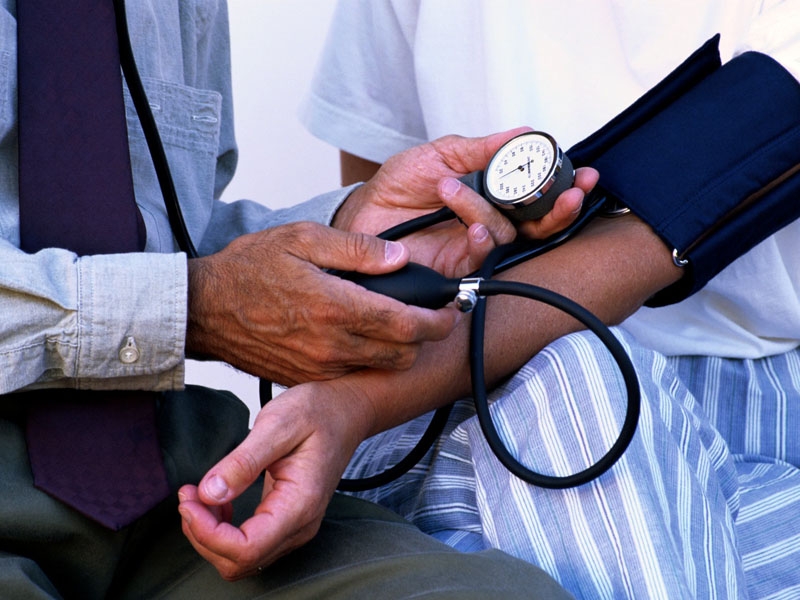
Blood pressure is one of the most fundamental physical measurements used to gauge cardiovascular system performance. Every time your heart beats, it creates hydrostatic pressure that pushes blood against the inner muscular walls of your arteries. Understanding how this force is generated—and what factors influence it—is a cornerstone of everyday health literacy.
What Do Systolic and Diastolic Numbers Mean?
Blood pressure is expressed as two distinct numbers measured in millimeters of mercury (mmHg), written as one over the other (for example, 120/80 mmHg).
Systolic Pressure (The Top Number): Measures the peak force exerted against arterial walls when the ventricles contract, pumping oxygen-filled blood outward into the aorta and systemic circulation.
Diastolic Pressure (The Bottom Number): Measures the residual arterial pressure when the cardiac muscle rests between contractions, refilling its chambers with blood for the next beat.
Key Educational Takeaways
- Systolic force represents active contraction strength during a heartbeat.
- Diastolic pressure represents baseline vascular resistance during cardiac rest.
- Arterial flexibility allows blood vessels to expand and cushion pressure surges naturally.
- Routine physical activity and dietary sodium awareness support natural arterial elasticity.
Lifestyle Factors That Support Vascular Health
While arterial stiffness and blood pressure regulation are influenced by age and genetics, numerous daily habits contribute to maintaining optimal vessel function:
1. Potassium and Sodium Balance: Potassium-rich whole foods like leafy greens, bananas, and sweet potatoes help counterbalance dietary sodium levels, encouraging vascular smooth muscle relaxation.
2. Aerobic Conditioning: Engaging in 150 minutes of moderate aerobic exercise each week (such as brisk walking or swimming) stimulates the endothelial lining of blood vessels to produce nitric oxide, promoting vessel dilation.
3. Stress Reduction Routines: Persistent psychological stress stimulates cortisol and epinephrine release, causing blood vessels to constrict temporarily. Regular breathing exercises and adequate sleep provide systemic recovery.
When to Seek Professional Consultation
Because elevated blood pressure often presents without noticeable symptoms, regular checkups with a licensed healthcare professional are essential for accurate measurement and individual advice.